01 / Picked
Red, ripe, picked.
Arabica cherries ripen on the slopes of the Western Ghats. Inside each one, two green beans sit face to face.
Monsoon Lot · Pre-orders open
A monsooned Malabar Arabica, left in the wet sea wind until it turns pale gold, then roasted in small batches in Goa.
Pre-order from ₹650 Read the story
First roast ships on .
44 days 8 hrs 30 min
1 December 2026, India time
01 / Picked
Arabica cherries ripen on the slopes of the Western Ghats. Inside each one, two green beans sit face to face.
02 / Monsooned
In open-sided warehouses on the Malabar Coast, the beans sit out the monsoon while the damp sea air blows through. They swell and turn pale gold.
03 / Roasted
We roast in small batches in Goa, past first crack, to a medium-dark that brings out the chocolate and spice.
04 / Packed
Each bag is filled by hand, sealed with a one-way valve and stamped with its roast date.
05 / Brewed
Low in acidity and heavy in body, with dark chocolate and warm spice. Good black, better with milk.
Monsooning takes out much of the acidity and leaves a heavy, smooth body. This is what's left to taste.
Bittersweet and cocoa-heavy, closer to a dark bar than a milk one.
A little clove and black pepper, mostly on the finish.
Dry and woody, with the earthy edge monsooned coffee is known for.
Choose a size, roast and grind. Every bag is roasted to order. Pre-orders ship on 1 December 2026.
Pick a method and set how many cups. These are starting points. Weigh the coffee if you can, then adjust to taste.
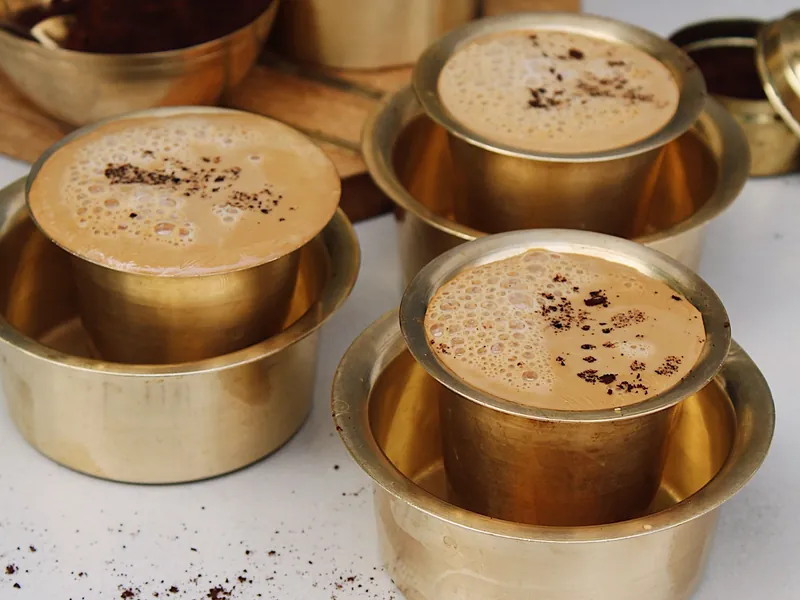
Per cup: 10 g coffee, 60 ml water, 100 ml milk.
Most filter coffee powders have chicory added. Monsoon Lot is pure coffee, so use a little more if you're used to a chicory blend.
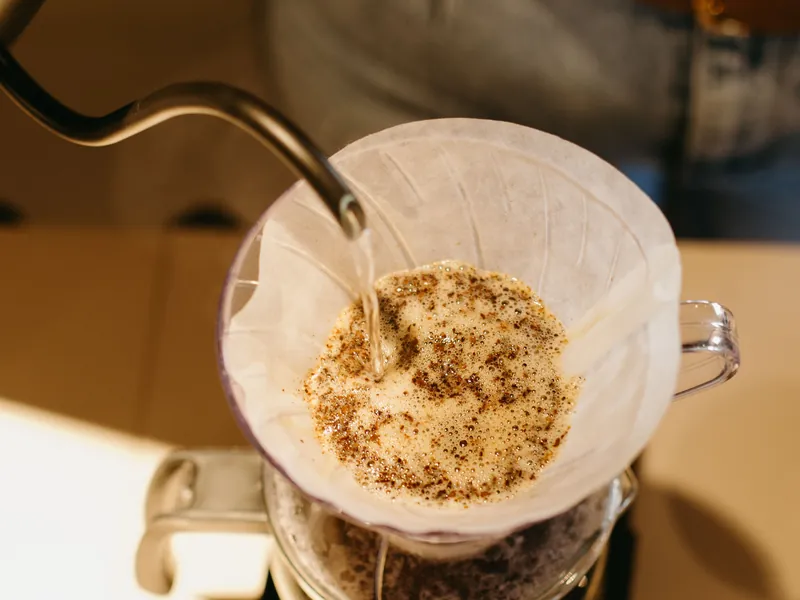
Per cup: 15 g coffee, 250 ml water (about 1:17).
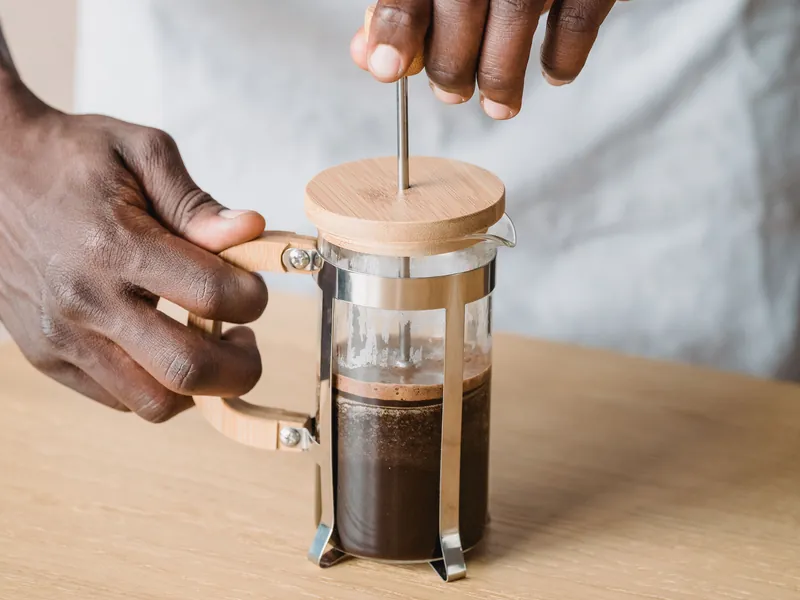
Per cup: 17 g coffee, 250 ml water (about 1:15).
One email on 1 December 2026, when the first roast leaves. Nothing else.
We'll email you once, when the first roast ships.
This is a demo site, so nothing was sent.
Every bag is roasted to order and leaves within 2 days of roasting. The roast date is stamped on the label. Keep the bag sealed, away from heat and light, and drink it within a few weeks of that date.
Whole bean, if you have a grinder, because it stays fresh longest. Otherwise pick the grind for how you brew: South Indian filter (fine, for a steel filter), pour-over (medium-fine), French press (coarse) or espresso (very fine). The brew guide has recipes for the first three.
Yes, by courier to most PIN codes. Shipping is included in the price. Most bags arrive 2 to 5 working days after they leave us.
Choose every 2 weeks or every 4 weeks and you pay 10% less for the coffee. Each delivery is roasted fresh. You can skip a delivery, change your bag or cancel any time before the next roast.
Green coffee that spends the monsoon, usually June to September, in open-sided warehouses on India's west coast. The beans sit in loosely packed sacks with gaps between the stacks, and the damp sea wind blows through for weeks. They swell, turn pale gold and lose much of their acidity, which gives a heavy, earthy cup.
The story goes that the taste first came about by accident, in the months coffee spent in the holds of sailing ships on the way to Europe. Today "Monsooned Malabar" is a registered Geographical Indication of India, covering coffee monsooned in Karnataka and Kerala.
No. Kinara Coffee Co. is a concept demo by Nathan Kumtakar, a front-end developer. Nothing is for sale, no payment is taken and the forms don't send anything. Monsooned Malabar coffee is real, though. See more of Nathan's work at nathank.me.